Understanding and Utilizing Circle in Your Workflow
Circle is a versatile 3D model that can be seamlessly integrated into various workflows, from creative projects to educational activities. This article will explore how Circle fits into broader processes and provide practical tips for its implementation.
What is Circle?
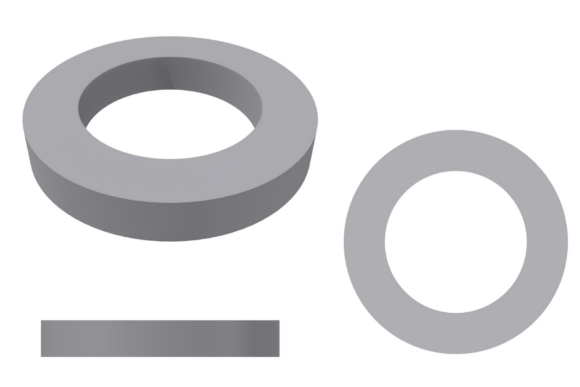
Circle is a simple yet powerful 3D model available as an STL file. The file size is compact at 11.1 KB, making it easy to download and integrate into your projects. Its simplicity and versatility make it a valuable asset for professionals, creators, and educators alike.
Preparation and Compatibility
Before incorporating Circle into your project, ensure you have the necessary software to handle STL files. Popular 3D modeling and printing software like Blender, Tinkercad, or Cura are compatible with STL files. Verify that your software is up-to-date to avoid any compatibility issues.
Downloading and Importing Circle
- Download the Circle STL file from a reliable source.
- Open your 3D modeling or printing software.
- Import the Circle STL file into your software.
- Verify that the model appears correctly and is ready for use.
Integrating Circle into Your Workflow
Circle can be used in various stages of a project, from initial planning to final execution. Here’s how you can integrate Circle into different parts of your workflow:
Planning and Design
During the planning phase, Circle can serve as a reference or a building block for more complex designs. Use it to brainstorm ideas, create prototypes, or as a starting point for more intricate models.
- Brainstorming: Use Circle to visualize basic shapes and forms, helping to spark creativity and new design ideas.
- Prototyping: Incorporate Circle into early prototypes to test fit and form, ensuring that the final product meets your requirements.
Execution and Implementation
Once you have a solid plan, Circle can be used to streamline the execution phase. Whether you’re 3D printing, creating digital art, or using it in a learning activity, Circle can help maintain consistency and quality.
- 3D Printing: Print Circle to create physical objects, such as decorative items, tools, or components for larger projects.
- Digital Art: Use Circle as a base for digital illustrations or animations, providing a consistent and clean starting point.
Quality Control and Review
After implementing Circle, it’s essential to review and refine your work. Circle’s simplicity makes it easy to spot and correct any issues, ensuring that your final product meets the desired standards.
- Review: Examine the printed or digital version of Circle to check for any imperfections or areas that need improvement.
- Refine: Make necessary adjustments to the model or the process to enhance the quality and functionality of your project.
Practical Examples and Use Cases
Here are some practical examples of how Circle can be used in different scenarios:
Creative Projects
For artists and designers, Circle can be a fundamental element in creating minimalist or abstract art. It can also be used as a base for more complex designs, such as logos, icons, or patterns.
Educational Activities
In educational settings, Circle can be a valuable tool for teaching geometry, 3D modeling, and design principles. Students can use Circle to understand the basics of 3D modeling and printing, and to create their own projects.
Business Workflows
For small business owners and entrepreneurs, Circle can be used in product development, marketing materials, and branding. For example, it can be incorporated into promotional items, packaging designs, or as a part of a company’s visual identity.
Maintaining Efficiency and Consistency
To get the most out of Circle, it’s important to maintain efficiency and consistency in your workflow. Here are some tips:
- Organize Files: Keep your STL files, including Circle, well-organized and easily accessible. This will save time and reduce the risk of errors.
- Document Processes: Document the steps you take when using Circle, from downloading to implementation. This documentation can be a valuable resource for future projects and for training others.
- Regular Updates: Regularly update your software and tools to ensure they are compatible with the latest versions of STL files and other 3D modeling technologies.
Conclusion
Circle is a versatile and useful 3D model that can be integrated into a wide range of workflows. By understanding its capabilities and following best practices for preparation, integration, and maintenance, you can effectively use Circle to enhance your projects and achieve your goals. Whether you are a professional, creator, educator, or small business owner, Circle can be a valuable addition to your toolkit.