Exploring the Bandırma Vapuru: A 3D Printable Model of a National Treasure
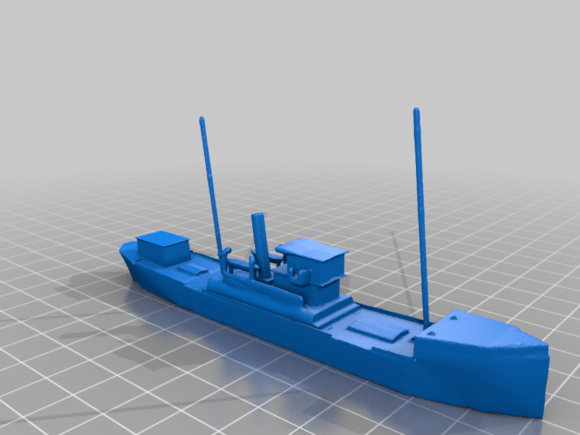
The Bandırma Vapuru, or Bandırma Ferry, is a historic steamship that holds deep national significance in Turkey. This iconic vessel played a pivotal role in the country's history, famously transporting Mustafa Kemal Atatürk to Samsun on May 19, 1919, marking the start of the Turkish War of Independence. Today, the ship is commemorated with a museum replica and stands as a national symbol of modern Turkey’s foundation.
Understanding Historical Ships and Their Significance
Historical ships are not just relics of the past; they are living testaments to the technological, cultural, and social advancements of their times. These vessels embody the spirit of exploration, innovation, and resilience, making them invaluable for educational, commemorative, and historical purposes. The Bandırma Vapuru, in particular, serves as a tangible link to a pivotal moment in Turkish history, inspiring generations with its story of national unity and independence.
The Role of 3D Printing in Preserving History
The advent of 3D printing technology has revolutionized the way we preserve and interact with historical artifacts. By creating detailed, accurate, and accessible 3D models, we can bring historical ships like the Bandırma Vapuru to life in a way that was previously impossible. This not only enhances our understanding of these vessels but also makes them more relatable and engaging for a broader audience.
Practical Applications of 3D Printed Models
- Educational Displays: 3D printed models of the Bandırma Vapuru can be used in classrooms and museums to provide a hands-on, interactive learning experience. Students and visitors can explore the intricate details of the ship, gaining a deeper appreciation for its historical and cultural significance.
- Commemorative Miniatures: These models serve as meaningful keepsakes for history enthusiasts, collectors, and anyone with an interest in Turkish heritage. They can be displayed in homes, offices, and public spaces, serving as a constant reminder of the nation's rich history.
- Historical Dioramas: Incorporating the 3D printed Bandırma Vapuru into dioramas allows for the creation of immersive, multi-sensory experiences. These dioramas can recreate key moments in history, providing a vivid and engaging way to tell the story of the Turkish War of Independence.
Why People Are Paying Attention to 3D Printed Historical Models
The increasing interest in 3D printed historical models, such as the Bandırma Vapuru, reflects a broader trend towards experiential and interactive learning. In a digital age where information is abundant but often intangible, 3D printed models offer a unique, tactile way to connect with the past. This approach resonates with professionals, creators, entrepreneurs, marketers, freelancers, and enthusiasts who value authenticity and engagement.
Changing Needs and Preferences in the Modern Age
As our society becomes more technologically advanced, there is a growing need for innovative ways to engage with history. Traditional methods, such as books and static displays, while valuable, may not fully capture the imagination of a generation accustomed to dynamic, interactive content. 3D printed models bridge this gap by providing a tangible, three-dimensional representation of historical artifacts, making the past more accessible and relatable.
Connecting the Bandırma Vapuru to Larger Developments
The 3D printed model of the Bandırma Vapuru is part of a larger movement towards the democratization of history and culture. With the rise of 3D printing and other digital technologies, historical artifacts and stories are becoming more widely available and engaging. This democratization not only preserves history but also fosters a sense of shared heritage and community, which is especially important in a globalized world.
Moreover, the use of 3D printing in historical preservation aligns with broader trends in education and technology. As schools and institutions increasingly adopt hands-on, project-based learning, 3D printed models like the Bandırma Vapuru provide valuable tools for educators. Similarly, in the creative and business sectors, 3D printing is being leveraged to create unique, personalized products and experiences, opening up new opportunities for innovation and growth.
Conclusion
The 3D printable model of the Bandırma Vapuru is a testament to the power of technology in preserving and celebrating our historical heritage. By making these artifacts more accessible and engaging, 3D printing is transforming the way we learn about and interact with history. Whether for educational, commemorative, or creative purposes, the Bandırma Vapuru model offers a unique and meaningful way to connect with the past and inspire the future.
For those interested in bringing this piece of history to life, the 3D model is available for download and printing. While the original model was sourced from 3D Warehouse and converted to STL format, it was processed through Microsoft’s 3D Printing Repair Tool to ensure printability. Some fine-tuning or mesh cleanup may still be required for optimal results before 3D printing. Embrace this opportunity to hold a piece of history and share its story with the world.