Understanding Nataraja: The Dancing Form of Shiva
What is Nataraja?
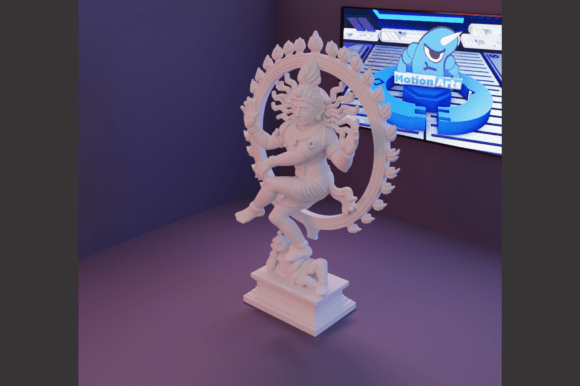
Nataraja, also known as the "Lord of Dance," is a depiction of the Hindu god Shiva in his dancing form. This iconic representation symbolizes the cosmic cycles of creation and destruction, embodying the dynamic balance of the universe. In this form, Shiva is often depicted with four arms, each holding a specific object or in a particular gesture, surrounded by a circle of fire, which represents the cycle of life.
Why Consider Nataraja?
For those interested in Indian culture, spirituality, or art, Nataraja offers a profound and visually striking representation. It can serve as a focal point for meditation, a decorative element, or a meaningful gift. The intricate details and symbolic elements make it a compelling choice for collectors and enthusiasts alike.
Benefits of Nataraja
- Spiritual Significance: Nataraja embodies deep spiritual and philosophical meanings, making it a powerful symbol for those on a spiritual path.
- Artistic Value: The detailed and dynamic sculpture is a masterpiece of art, reflecting the rich cultural heritage of India.
- Versatility: Whether used as a decorative piece, a collectible, or a gift, Nataraja can fit into various contexts and settings.
Considerations and Tradeoffs
While Nataraja is a beautiful and meaningful symbol, it may not be the best choice for everyone. Here are some factors to consider:
- Space and Placement: The sculpture's size and the need for a suitable display area should be considered. It may not be ideal for small or minimalist spaces.
- Maintenance: If you plan to paint or add custom finishes, regular maintenance may be required to keep it in good condition.
- Cultural Sensitivity: Understanding and respecting the cultural and religious significance of Nataraja is important, especially if it will be displayed in a public or shared space.
When Nataraja is a Strong Fit
Nataraja is an excellent choice for individuals who:
- Are deeply interested in Hinduism and its symbolism.
- Appreciate fine art and want a unique, culturally rich piece for their collection.
- Seek a meaningful and visually impactful gift for someone with a spiritual inclination.
Alternatives to Consider
If Nataraja does not align with your needs or preferences, there are other symbols and deities from various cultures that might be more suitable. For example:
- Buddha Statues: These offer a serene and meditative presence, ideal for those seeking calm and mindfulness.
- Ganesh Sculptures: Ganesh, the remover of obstacles, is another popular and meaningful figure in Hinduism.
- Other Cultural Artifacts: Depending on your interests, artifacts from different cultures, such as African or Native American, might provide the cultural and artistic value you seek.
Practical Decision-Making Insights
To determine whether Nataraja is the right choice for you, consider the following:
- Your Personal Connection: Reflect on your personal connection to the symbolism and meaning of Nataraja. Does it resonate with your values and beliefs?
- Intended Use: Think about how you plan to use the sculpture. Is it for decoration, meditation, or as a gift? This will help you decide if it meets your needs.
- Space and Aesthetics: Consider the space where you plan to place the Nataraja. Ensure it complements the existing decor and has the appropriate ambiance.
By carefully considering these factors, you can make an informed decision about whether Nataraja is the right addition to your collection or space. Whether you choose Nataraja or another symbol, the key is to find something that brings meaning and beauty to your life.