Exploring the Iconic Izmir Clock Tower: A Symbol of History and Innovation
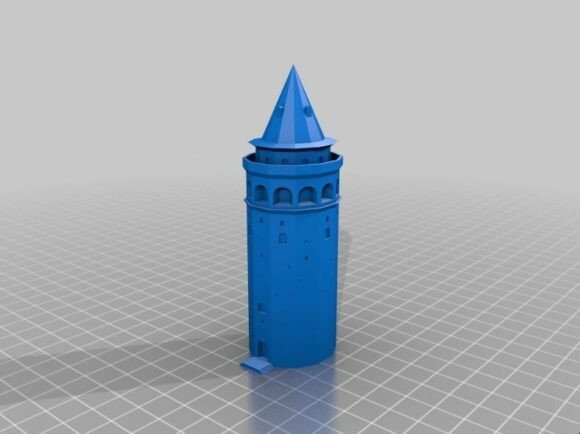
The Izmir Clock Tower, a 25-meter-tall historical monument built in 1901, stands as a proud symbol of the city of Izmir, Turkey. This iconic structure, recognized for its architectural beauty and historical significance, has now been meticulously transformed into a 3D printable model, bridging the gap between the past and the present.
A Glimpse into the Past: The Historical Significance of the Izmir Clock Tower
The Izmir Clock Tower was constructed to commemorate the 25th anniversary of Sultan Abdulhamid II's accession to the Ottoman throne. Designed by Raymond Charles Péré, this tower is not just a timepiece but a testament to the rich cultural heritage of Izmir. Its intricate design and strategic location in the heart of the city have made it a focal point for both locals and tourists, embodying the spirit and history of the region.
Bridging the Past with the Future: The 3D Printable Model
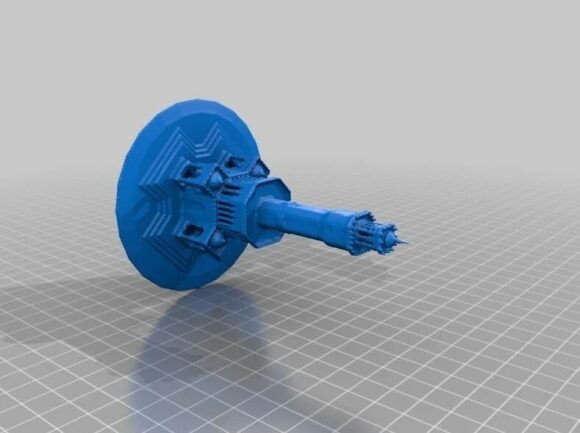
In today’s rapidly evolving technological landscape, the creation of a 3D printable model of the Izmir Clock Tower is a significant step. This model, optimized for 3D printing, allows enthusiasts, creators, and professionals to bring a piece of history into their homes or offices. The model, standing at approximately 100 mm in height, is designed with precision and care to ensure that it captures the essence of the original structure.
Why the 3D Printable Model Matters
The 3D printable model of the Izmir Clock Tower is more than just a decorative item; it represents a broader trend in how we interact with and preserve historical landmarks. As technology continues to advance, the ability to recreate and share such significant structures becomes increasingly important. This model serves as an educational tool, allowing people to appreciate the architectural details and historical context of the tower in a tangible way.
Practical Considerations for 3D Printing Enthusiasts
For those interested in 3D printing the Izmir Clock Tower, there are a few key considerations to ensure a successful print:
- Print Height: The recommended print height for the model is approximately 100 mm. This size provides a good balance between detail and printability.
- Software Settings: Use the “fix” option in your slicing software to address any potential issues and ensure a smooth printing experience. This step is crucial for maintaining the integrity of the model’s fine details.
- Material Choice: While the choice of material can vary based on personal preference and intended use, PLA (Polylactic Acid) is a popular choice for its ease of use and environmental friendliness.
Connecting to Broader Trends and Developments
The 3D printable model of the Izmir Clock Tower is part of a larger movement towards digital preservation and accessibility. As more historical and cultural sites are digitized, the opportunities for education, appreciation, and innovation grow. This trend is particularly relevant in the fields of architecture, history, and technology, where the ability to create and share detailed, accurate models can enhance understanding and engagement.
Moreover, the rise of 3D printing and related technologies is transforming various industries, from manufacturing and healthcare to education and art. The Izmir Clock Tower model exemplifies how these technologies can be used to connect with and celebrate our shared cultural heritage, making it accessible to a wider audience.
Conclusion
The Izmir Clock Tower, with its rich history and symbolic importance, continues to captivate the imagination of people around the world. The 3D printable model of this iconic structure not only preserves its legacy but also makes it accessible to a new generation of creators and enthusiasts. As we move forward, the integration of historical elements with modern technology will continue to play a vital role in how we understand and appreciate our past, while innovating for the future.
Happy printing, and may the Izmir Clock Tower inspire you to explore the endless possibilities of 3D printing and historical preservation.