Celebrate the Joy of Korean Food with Korean Cuisine 3D Elements
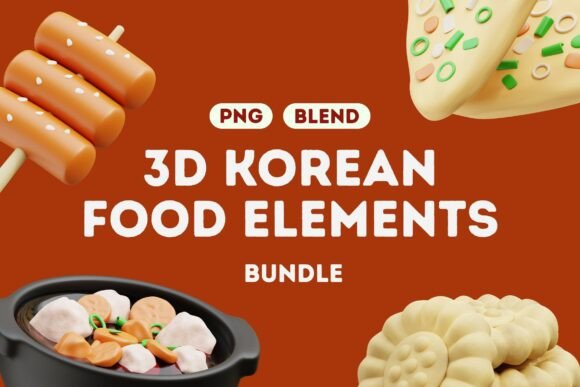
Bring the vibrant and flavorful world of Korean cuisine into your visual projects with Korean Cuisine 3D Elements. This bundle features a delectable array of beloved dishes, including kimbap rolls, hot stews, grilled meats, tasty snacks, and colorful desserts, all rendered in a fun and eye-catching 3D style. Perfect for branding, digital marketing, or creative projects, these elements add a cheerful and flavorful touch to your designs.
What You Get in the Korean Cuisine 3D Elements Bundle
- 20 PNG files with transparent backgrounds – Ideal for seamless integration into any design project.
- 2 BLEND files – For advanced users who want to customize and edit the 3D elements in Blender.
Integrating Korean Cuisine 3D Elements into Your Workflow
Whether you're a professional designer, a marketer, or a hobbyist, integrating Korean Cuisine 3D Elements into your workflow can be a straightforward and rewarding process. Here’s how you can make the most of this bundle:
Preparation and Planning
Before diving into your project, take some time to familiarize yourself with the available 3D elements. Consider the following steps:
- Brainstorming: Think about the message you want to convey and which elements will best support your vision. For example, if you’re promoting a new Korean restaurant, you might focus on the kimbap rolls and hot stews.
- Compatibility Check: Ensure that your design software supports PNG files with transparent backgrounds. If you plan to use the BLEND files, make sure you have Blender installed and are comfortable with 3D modeling.
- Organizing Assets: Create a folder structure to keep your 3D elements organized. This will help you quickly find and use the right elements as you work on your project.
Implementation and Design
Once you have a clear plan, it’s time to start incorporating the 3D elements into your designs. Here are some practical tips:
- Layering and Composition: Use the transparent PNG files to layer different elements creatively. For instance, you can place a kimbap roll on top of a traditional Korean table setting to create a visually appealing and authentic scene.
- Color and Texture Matching: Ensure that the colors and textures of the 3D elements complement your overall design. This will help maintain a cohesive and professional look.
- Customization with BLEND Files: If you need more customization, use the BLEND files to modify the 3D elements. You can change the lighting, add or remove details, and even animate the elements for dynamic visuals.
Quality Control and Consistency
Maintaining quality and consistency is crucial for a polished final product. Here’s how you can ensure your designs meet high standards:
- Regular Reviews: Periodically review your work to check for any inconsistencies or areas that need improvement. This is especially important if you’re working on a large project with multiple elements.
- Feedback Loop: Share your designs with colleagues or clients to get feedback. This can help you identify and address any issues before finalizing your project.
- Documentation: Keep a record of the changes and adjustments you make. This documentation can be useful for future reference and for maintaining consistency across related projects.
Use Cases and Creative Projects
The versatility of Korean Cuisine 3D Elements makes them suitable for a wide range of creative and professional projects. Here are some examples:
- Branding and Marketing: Use the 3D elements to create engaging social media posts, promotional materials, and advertisements for Korean food-related businesses.
- Educational Content: Incorporate the 3D elements into educational materials, such as infographics, presentations, and online courses, to make learning about Korean cuisine more interactive and enjoyable.
- Web Design and Development: Add the 3D elements to websites and apps to create a visually rich and immersive user experience. This can be particularly effective for food blogs, recipe sites, and e-commerce platforms.
- Personal Projects and Hobbies: Use the 3D elements to enhance personal projects, such as creating custom greeting cards, designing T-shirts, or crafting unique home decor items.
Long-Term Use and Efficiency
To maximize the long-term value of Korean Cuisine 3D Elements, consider the following strategies:
- Template Creation: Develop templates that incorporate the 3D elements. This can save time and effort when working on similar projects in the future.
- Collaboration and Sharing: Share the 3D elements and your templates with colleagues or team members. This can foster collaboration and consistency across your organization.
- Continuous Learning and Improvement: Stay updated with the latest design trends and techniques. Regularly experiment with new ways to use the 3D elements to keep your designs fresh and innovative.
By integrating Korean Cuisine 3D Elements into your workflow, you can bring the warmth, excitement, and taste of Korea into your visual content. Whether you’re working on a professional project or a personal hobby, these elements offer a versatile and engaging way to celebrate the joy of Korean food.